- Building AI Agents
- Posts
- The Shadow Agent Economy
The Shadow Agent Economy
Plus: OpenClaw turns to OpenAI, agent insurance, GitHub-native workflows, the rise of the Agent Manager, and more...

AP Patel
February 16, 2026
In partnership with


Edition 158 | February 16, 2026
Apparently, 83 days is a long time in agent years.
Welcome back to Building AI Agents, your biweekly guide to everything new in the field of agentic AI!
In today’s issue…
OpenClaw creator Peter Steinberger joins OpenAI
Kimi launches native OpenClaw integration with 5,000+ skills
ByteDance releases Doubao 2.0 built for the "agent era"
HBR defines a new enterprise role: the Agent Manager
ElevanLabs rolls out insurance for voice agents
…and more
🔍 SPOTLIGHT
Nano Banana | Building AI Agents
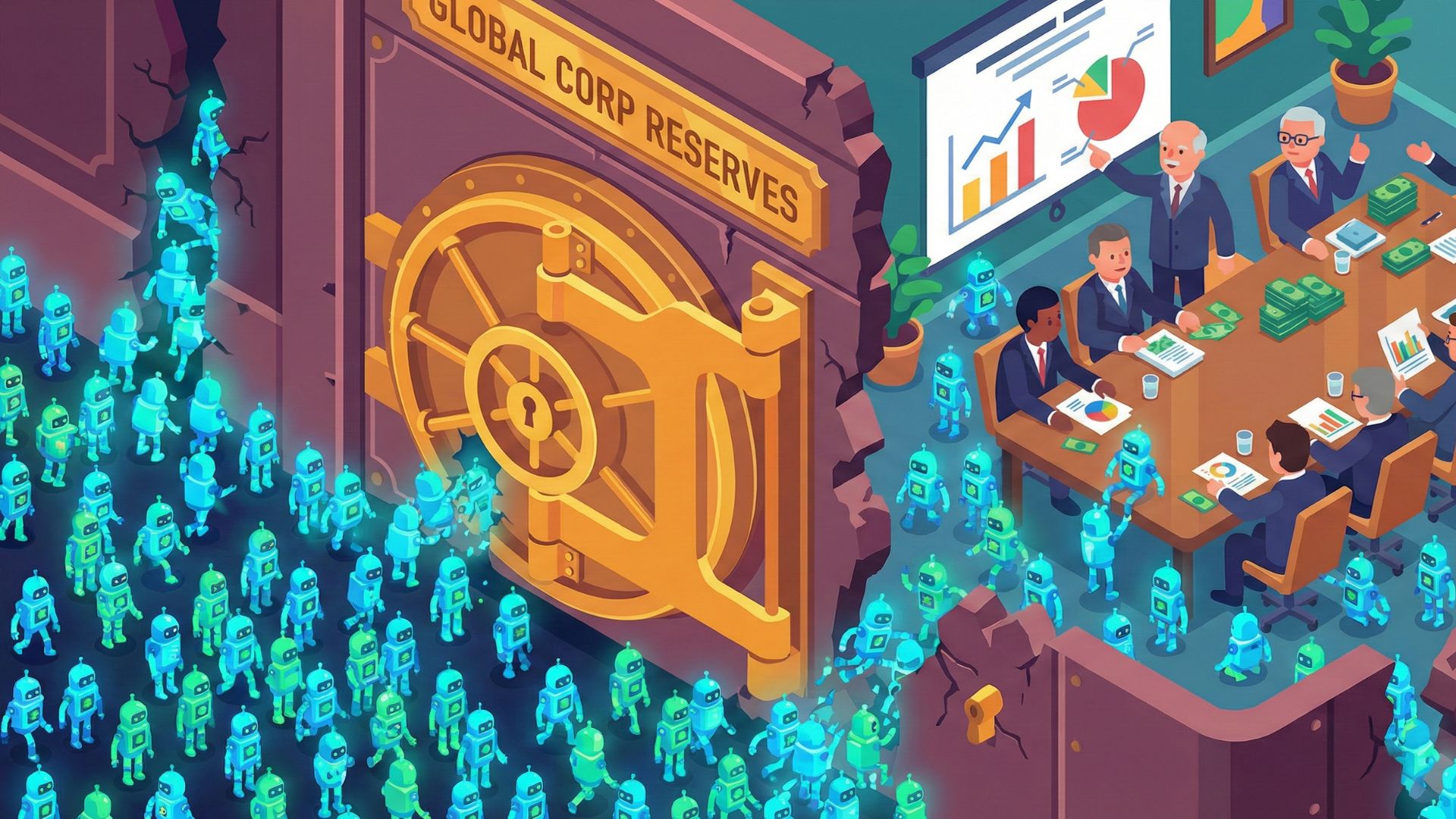
Somewhere in your company right now, someone is paying $20/month out of their own pocket for Claude Code, Codex, or Cursor, running an agent on a project they were never authorized to touch, and quietly hoping the results speak louder than the policy violation. They're not alone. A Gartner survey of 302 cybersecurity leaders found that 69% of organizations suspected or had evidence of employees using prohibited GenAI tools, and a Writer/Workplace Intelligence study from early 2025 put a finer point on it: already 35% of employees were paying out-of-pocket because their employer either hadn't provided AI tools or had provided ones that weren't good enough. This wasn't experimental curiosity. This was a workforce voting with its wallet early.
It's the exact playbook that turned Dropbox, Slack, and Zoom from consumer toys into enterprise staples. Dropbox's S-1 filing told the story plainly: 90% of revenue came from self-serve channels, and over 40% of new Business teams included someone who'd already been paying for a personal plan. News Corp's CIO discovered 7,000 employees were already using Dropbox at work before he ever evaluated it, and he signed an enterprise deal based largely on that grassroots signal. The enterprise didn't adopt these tools top-down. Employees smuggled them in, proved they worked, and IT eventually blessed what it couldn't stop.
AI agents are following the same adoption curve, but moving faster and carrying more risk. When someone brought unauthorized Dropbox to the office, the worst case was files stored in the wrong cloud. When someone runs an unauthorized coding agent on a production codebase, or pastes proprietary strategy docs into a personal AI account to get an agent to analyze them, the blast radius is fundamentally different. Agents don't just store data: they read it, reason over it, take actions, and generate outputs that flow directly into real workflows and decisions. And the volume is exploding: Netskope reports that prompt volumes to GenAI apps grew sixfold in a single year, and data policy violations doubled alongside them.
But here's what makes this genuinely interesting for builders and business leaders: prohibition without provision doesn't work. The Writer survey found that 77% of employees using AI are either AI champions or have the potential to become one, meaning the people your security team is worried about are the same people who could be driving your agent strategy if you gave them the structure to do it. The organizations clamping down hardest are often the ones falling furthest behind.
So what does this mean in practice? If you're running a small business or a startup, you should empower your people and get out of the way. Allocate a modest budget for agent tools, build a shared playbook, and let your team's natural curiosity become a competitive advantage rather than a shadow liability. Find partners who can help you identify where agents can slot into your workflows: you don't need a massive AI strategy, you need permission and a little structure.
If you're at the enterprise level (a manager, a director, someone in the C-suite) the conversation is harder but the conclusion is the same. Build the governance that makes agents safe (audit trails, approved tools, clear data policies) and then give your teams room to experiment within those guardrails. If you're not already having that conversation, your employees are having it without you.
As always, keep learning and building!
—AP